Do more 24 Delaware 2026

Counting Down for Do More 24 Delaware 2026

We are excited to share that 3B Brae’s Brown Bags is once again participating in Do More 24 Delaware, a statewide day of giving that brings neighbors, nonprofits, and whole communities together to do a little more good in just 24 hours.

As a Delaware-based nonprofit that delivers healthy food and simple essentials to people experiencing homelessness and food insecurity, this day means a lot to us. Do More 24 helps small, volunteer-driven groups like 3B stretch every single dollar a little bit further.

When it is happening

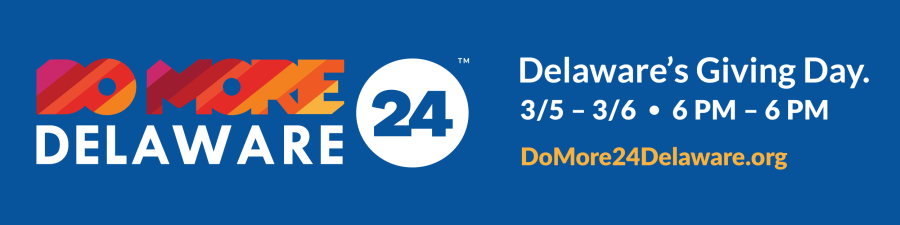
Mark your calendars: Do More 24 Delaware runs from 6 p.m. on March 5 through 6 p.m. on March 6.

For those 24 hours, we are asking you to “do more” with us by:

  • Making an online gift to 3B Brae’s Brown Bags through the Do More 24 Delaware platform
  • Sharing our fundraising page with friends, family, coworkers, and classmates
  • Cheering us on as we work toward our goal during the giving day

Here is the 3B Brae’s Brown Bag direct link, you can sign up to get a reminder right on this dashboard.

What Do More 24 Delaware is all about

Do More 24 Delaware's Giving Day will be March 5 through March 6

Do More 24 Delaware is like a big statewide kindness challenge. For one full day, people all over Delaware choose causes they care about and give what they can online.

It is not just about raising money. It is also about:

  • Learning what different nonprofits are doing in our state
  • Seeing how many people care about their neighbors
  • Showing kids and teens that their community is full of helpers

For 3B, this is a special chance to talk about hunger and homelessness in a way that is honest, compassionate, and never judgmental. We know that anyone can struggle, and everyone deserves respect, dignity, and something good to eat.

How your Do More 24 support helps 3B

When you give to 3B during Do More 24 Delaware, you are helping us:

  • Pack and share 3B bags filled with healthy snacks, water, and resource information for people who are hungry or experiencing homelessness
  • Provide simple to-go bags for Code Purple or Code Orange emergency sanctuaries and other local partners
  • Visit schools and youth groups to talk with students about food insecurity, kindness, and community service
  • Put real tools in kids hands so they can be part of the solution, not just hear about the problem

Your gift, no matter the size, turns into a real bag, a real conversation, and a real moment of hope for someone right here in Delaware.

Ways to get involved

Over the next few weeks, we will be sharing more about how you can join in, including:

  • The link to our official Do More 24 Delaware fundraising page
  • Ideas for classrooms, clubs, and families who want to support 3B together
  • Social media graphics and posts you can share to spread the word
  • Fun updates as we get closer to March 5 and 6

If you are a teacher, a student, a parent, or part of a community group that wants to connect Do More 24 with a bag packing project or a service lesson, we would love that. Keep an eye out for ways to team up with us.

Thank you for doing more with us

We know there are many great causes to support during Do More 24 Delaware, and we are truly grateful that you would consider 3B Brae’s Brown Bags as one of them.

Thank you in advance for your support, for believing that kids can lead, and for helping us make sure that more of our neighbors have something good to eat, something helpful in their hands, and a reminder that someone cares.

Stay tuned for more details, and get ready to do more with 3B on March 5 and 6!

In 2026, Let Action Be Our Kindness

Every New Year comes with a lot of big words.
Resolutions. Promises. Inspirational quotes. Long posts about how this year will finally be different.

Words can be wonderful. They can encourage, comfort, and inspire. At 3B Brae’s Brown Bags, we are grateful for every kind comment, every supportive message, and every thoughtful conversation about hunger and homelessness.

But in 2026, we want to lean into something even stronger than kind words.

We want action to be our kindness.

Words are a start, but they are not the finish

Saying “no one should go hungry” is important.
Believing “everyone deserves a warm, safe place” really matters.

But for a person who is cold tonight or wondering where their next meal will come from, what they feel most is not our opinions. They feel what we actually do.

That is why 3B exists.

3B Brae’s Brown Bags started with one kid who wanted to hand healthy food, water, and simple supplies directly to people who needed them. A bag with a snack, a drink, and a note is not a speech. It is not a policy paper. It is a small act that says, “You matter. Someone sees you.”

In 2026, we are choosing:

  • Action over applause
  • Movement over rhetoric
  • Connection over judgment

Because change does not happen in a comment section. It happens when someone has the energy to get through the day because they ate. It happens when someone feels a little less invisible because a stranger stopped, listened, and cared.

Everyone is battling something

One of our core beliefs is simple: every person you see is battling something.

Some battles are easy to spot.
You can see the backpack that is actually holding everything someone owns.
You can see the shivering hands without gloves.
You can see the person sleeping on a bench.

Other battles are quieter.
Anxiety. Grief. Illness. Job loss. Addiction. Loneliness.

We do not always know a person’s story. We do not need to. What we do need is a starting point of compassion, not judgment.

When we pack brown bags, deliver healthy food, or offer a warm coat or blanket, we are not “saving” anyone. We are simply being good neighbors to people who are carrying heavy things.

What “neighbor” means to us

At 3B Brae’s Brown Bags, when we say “neighbor,” we do not just mean the person in the house next door.

Neighbor means:

  • The person waiting at the bus stop with a cart of belongings
  • The family living in a motel trying to stretch every dollar
  • The kid at school who is always extra hungry by lunchtime
  • The person you drive past downtown without making eye contact

We believe every person is our neighbor.
And neighbors deserve:

  • Healthy food
  • Warmth and basic supplies
  • Respect, dignity, and compassion

Food is not a luxury. Warmth is not a privilege. These are basic human needs.

How you can turn kindness into movement in 2026

You do not need a big budget or a big platform to make a real difference. You just need a willingness to act.

Here are a few ways to turn kind thoughts into kind movement this year:

  • Pack a 3B style bag
    Include a bottle of water, a healthy snack, maybe a piece of fruit, and a kind note. Keep a couple in your car or backpack to hand out when you see someone who might need it. If you would like to see our 3B insert shoot us an email at christy@braesbrownbags.org.
  • Host a drive at school or work
    Collect snack items, water, travel-sized toiletries, socks, and gloves. Turn it into a classroom or team project that teaches empathy in a hands-on way.
  • Share warmth
    Go through your winter gear. If you have extra coats, hats, scarves, or blankets, donate them. A single warm item can make a huge difference on a freezing night.
  • Choose eye contact and conversation
    A simple “Hi, how are you doing today?” can mean so much. Being seen and spoken to with respect is a powerful kind of care.
  • Support organizations doing the work
    Whether it is 3B or another local group, your time, donations, and encouragement help keep these efforts going all year long, not just during the holidays.

Thank you for walking with us

In 2026, we are not trying to be perfect. We are just trying to be present.

To everyone who has packed a bag, donated a snack, handed out water, invited Braeden to speak at a school, or simply talked with kids about food insecurity and kindness, thank you. You are part of this movement.

Our hope for this year is simple:

That more people are fed.
That more neighbors feel warmth.
That more of us choose action over applause, movement over rhetoric, and love that can actually be felt.

We are all battling something.
Let’s make sure that hunger and cold are not battles anyone has to face alone.

Snow with a thermometer sticking out showing freezing temperatures

Caring For Our Neighbors In Extreme Cold

When temperatures drop below freezing, a lot of us think about grabbing an extra blanket or turning up the heat. For people who are living outside or who are not stably housed, freezing weather can be life-threatening.

That is why 3B Brae’s Brown Bags partners with Code Purple emergency sanctuaries and warming stations, providing healthy “to go” bags that guests can take with them when they leave. We do this all year long, but we know that on nights with bitter wind and icy sidewalks, community care really matters.

This post is part story, part safety guide. We want to:

  • Explain how our to-go bags support people using warming stations and shelters
  • Share simple steps to keep volunteers and guests safe while packing and handing out bags
  • Highlight Delaware 2-1-1 as a key resource for anyone who needs help finding shelter or services
  • Go over the signs of hypothermia that many people do not realize are serious

What is a 3B “to go” bag?

Our to-go bags are meant to be simple, respectful, and useful. Depending on donations and season, a bag might include things like:

  • Healthy, shelf-stable snacks (granola bars, low-sodium crackers, nut or seed packs, fruit cups with pop tops, fruit snacks, popcorn, soft breakfast bars)
  • A bottle of water or a low-sugar drink
  • Resource information, such as Delaware 2-1-1 and local support services
  • Seasonal extras when possible, like hand warmers, a pair of socks, or lip balm

Emergency sanctuaries and warming stations often have a limited window of time that they are open. Guests may have to leave early in the morning and walk or wait outside again. A grab-and-go bag is one small way to say, “We see you, and we care about what happens when you step back out into the cold.”

Safety first when packing and handing out bags

We want kindness to be paired with good safety practices. That protects the people we serve and the volunteers who help. Here are some simple guidelines you can use when packing or distributing 3B-style bags with us or on your own.

Food safety

  • Choose shelf-stable foods
    Pick items that do not require refrigeration and that are safe at room temperature
  • Label anything with common allergens
    If your bags include peanuts, tree nuts, dairy, or gluten, label the outside of the bag or the item. A simple “Contains peanuts” can help someone keep themselves safe.

Health and hygiene for volunteers

  • Wash or sanitize hands before packing
    If you are packing a lot of bags at once, set up a handwashing station or keep hand sanitizer nearby and take quick breaks to use it.
  • Follow site rules
    Each sanctuary, warming station, or shelter will have its own safety rules. Please follow the directions of staff on site. They know their space and their guests.

Emotional and physical safety at distribution

  • Respect personal space
    Some guests have experienced trauma. Offer a bag with a smile, but do not insist if someone says “No, thank you.”
  • No photos without permission
    Being in a hard moment should not mean losing your privacy. Never take photos of guests without clear consent, and follow the site’s photo policy.
  • Use a buddy system
    Volunteers should work in pairs or groups, especially in the dark or in bad weather. Check in with each other and with staff if something feels off.

Kindness is powerful, and it is even more powerful when it is also careful and thoughtful.

Delaware 2-1-1: A lifeline for shelter and more

One of the best tools we have in Delaware is Delaware 2-1-1.

What is Delaware 2-1-1?
Delaware 2-1-1 is a free, confidential helpline that connects people to health and human services across the state. It can help with things like food assistance, emergency and transitional shelter, medical care, mental health support, utility help, clothing, and more.

How to reach Delaware 2-1-1:

  • Dial 2-1-1 from any phone in Delaware
  • Text your zip code to 898211
  • Use live chat at delaware211.org

Delaware 2-1-1 is available 24/7 and offers multilingual support.

When Code Purple or other cold-weather alerts are in effect, 2-1-1 can help people find warming centers, emergency shelters, and related resources. State announcements often tell residents to call Delaware 2-1-1 to be connected with Code Purple locations and extra cold-weather beds.

If you are volunteering and someone asks, “Where can I go tonight?” or “Who can help me with rent or food?”, it is completely okay to say:

“You can call 2-1-1 or text your zip code to 898211. They can help you find shelter and other resources.”

You do not need to know every answer. You just need to know where to point people.

Hypothermia 101: Signs you should not ignore

Cold is not just uncomfortable. It can be dangerous. Hypothermia happens when a person’s core body temperature drops below 95°F, and it is a medical emergency.

The Centers for Disease Control and Prevention highlight these warning signs in adults:

  • Shivering
  • Feeling very tired or exhausted
  • Confusion or acting “not quite like themselves”
  • Fumbling hands or trouble doing simple tasks
  • Memory loss
  • Slurred speech
  • Drowsiness or trouble staying awake

For babies, the signs look different. Watch for:

  • Bright red, cold skin
  • Very low energy or being unusually quiet and still

If you see these signs in yourself or someone else:

  1. Call 911 right away if the person is confused, not responding, or very drowsy.
  2. Move the person to a warm, dry place if you can do so safely.
  3. Remove any wet clothing and cover with blankets, coats, or other warm layers.
  4. Offer warm drinks if the person is awake and can swallow, but do not give alcohol or very hot liquids.

Do not rub arms or legs hard to “warm them up.” That can sometimes cause more harm in serious cold-related injuries.

Frostbite is a concern, too.

People who have hypothermia often have frostbite too. Frostbite is damage to the skin and tissue from freezing temperatures. The CDC and other health agencies note symptoms like:

  • Numbness or tingling in fingers, toes, nose, ears, or cheeks
  • Skin that looks pale, grayish, or waxy
  • Skin that feels unusually firm or hard

If you suspect frostbite, follow medical advice from 911 or a health professional. In general, get the person to a warm place and, if possible, avoid walking on frostbitten feet or toes.

How you can help

Here are a few simple ways to support your neighbors during extreme cold:

  • Volunteer to help pack to-go bags or deliver them to partner sites
  • Collect items like shelf-stable snacks, bottled water, new socks, and hand warmers
  • Learn Delaware 2-1-1 by heart so you can share it when someone needs help
  • Teach kids and students about food insecurity, empathy, and cold-weather safety in age-appropriate ways
  • Share information about hypothermia and warming centers on your social media or with your community group

At 3B Brae’s Brown Bags, we believe small acts of kindness can stack up into real change. A paper bag with snacks, a warm word at the door of a sanctuary, a phone number shared at the right time, all of that can help someone make it through a very cold night.

Thank you for being part of a community that shows up, especially when the temperature drops and the need rises.

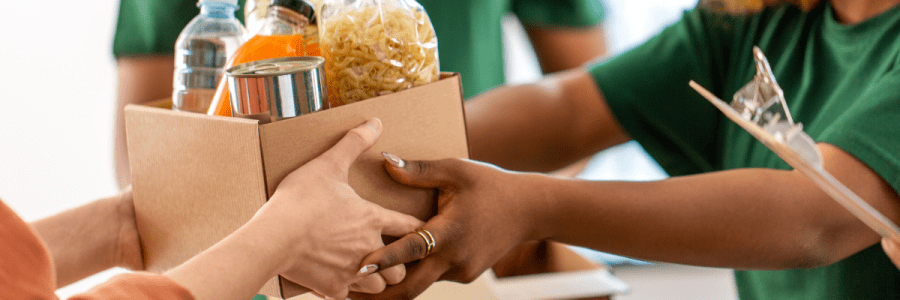
Hands passing a box of food

How U.S. Hunger Is Using Data, Storytelling and Technology To Rethink Hunger in America

A recent Forbes profile of U.S. Hunger shines a light on a national nonprofit that is reimagining how we talk about and respond to hunger in America. Instead of only counting how many meals are given out, they are asking a deeper question: Why are people running out of food in the first place, and what can we learn from their stories to create real, long-term change?

Listening to the people who ask for help

U.S. Hunger operates Full Cart, an online program that allows households to request food assistance and have healthy groceries delivered to their door. Along the way, people are invited to share what is going on in their lives. They can talk about work, income, health, caregiving, school, and the everyday pressures that brought them to this moment.

That information is not treated as a form to get through. It is treated as a conversation. A chance to listen. An opportunity to recognize that every request for food comes from a real person with a real story.

Over time, U.S. Hunger has built a large national dataset that connects numbers with lived experience. In their recent report, “When Making a Living No Longer Covers the Cost of Living,” they describe a growing group they call the “newly vulnerable.” These are families where people are working and often have health insurance, yet they still cannot reliably afford food and are just one missed paycheck away from crisis.

Turning stories into insight, with care

One of the innovations highlighted in the Forbes article is Voices: Unpacked. It is a public platform that shares anonymized stories from people who have requested food support and invites all of us to really see the human reality behind the statistics.

The idea is to pull back the curtain on hunger. To show that food insecurity is often quiet and hidden in plain sight, in every kind of community across the United States.

The stories shared through Voices: Unpacked and other channels lift up dignity and resilience. They show parents, grandparents, caregivers, and people living with chronic illness making impossible choices so their loved ones can eat. The data behind those stories helps identify patterns and root causes. The stories make sure we remember that we are always talking about people, not just charts and graphs.

Where food, health, and privacy meet

Many of the households who reach out to U.S. Hunger report that they have health insurance or serious medical needs. That has led the organization to work more closely with health-focused partners who see food as a key part of whole-person care.

To do that well, they are investing in strong data privacy and security and working to meet healthcare-level standards. That way, sensitive information can be treated with the same care and respect as a medical record.

This kind of bridge between food assistance and health care helps reframe hunger as a social and health issue, not a personal failure. It also opens doors. Doctors, health plans, employers, schools, and community groups can all play a more active role in preventing hunger instead of only responding in emergencies.

Why this matters to us

For organizations like 3B Brae’s Brown Bags, this approach is a powerful reminder. Every snack bag, backpack, or grocery box is part of a larger story. A child who is not distracted by hunger at school. A parent who can breathe a little easier tonight. A person who feels seen and not forgotten.

When we combine compassion, good data, and the honest voices of the people we serve, we can do more than fill stomachs for a day. We can help build a future where no one has to choose between paying bills and eating, and where communities come together so everyone is fed with dignity.

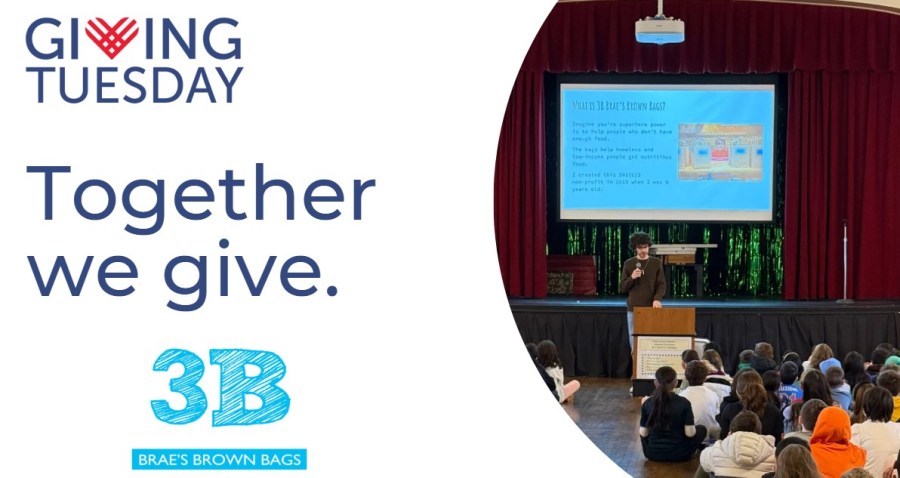
Braeden Mannering speaking to a group of students in an auditorium

Thank You for Supporting 3B Brae’s Brown Bags This Giving Tuesday

We are incredibly grateful to share that 3B Brae’s Brown Bags has raised $286 so far this Giving Tuesday!
To every person who donated, shared our mission, or took a moment to support our work, thank you. Your generosity helps us continue providing essential items, encouragement, and dignity to individuals facing food insecurity and homelessness.

Every dollar truly makes a difference. Our bags offer healthy snacks, water, resources, and seasonal items like hand warmers during the cold months—small but meaningful supports that remind our neighbors they are seen and cared for.

We’re getting close to our $500 Giving Tuesday goal, and there’s still time to help us get there.
If you haven’t had a chance to give yet and would like to be part of today’s impact, your contribution—no matter the size, helps us continue this mission built on kindness and compassion.

Thank you for believing in 3B and the work we do. Together, we can keep showing up for those who need it most.
Let’s finish strong!

💛 Every act of giving brings hope.

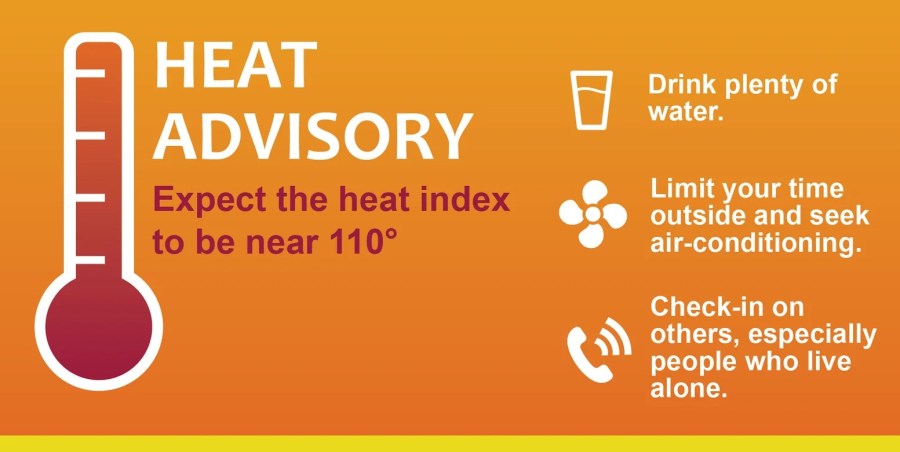
Head Advisory Banner

Helping Our Neighbors Beat the Heat

When the temperature spikes, it’s not just uncomfortable—it can be life-threatening. Extreme heat puts vulnerable people, especially those experiencing homelessness or without reliable shelter, at serious risk for dehydration, heat stroke, and other dangerous conditions.

At 3B, we’re committed to hunger relief and community care, and that includes looking out for each other when the weather gets intense. Whether you’re out running errands or volunteering, here are a few simple ways you can make a real difference during a heat wave.

1. Hydration is Everything

If you’re able, keep a few extra bottles of water in your car or bag. Electrolyte drinks (like Gatorade or Pedialyte) are even better for replenishing essential nutrients. Offering someone a cold drink on a hot day could truly save their life.

2. Share Heat Relief Essentials

A small care kit can go a long way. Here are some items that are especially helpful during extreme heat:

  • Sunscreen (SPF 30 or higher)
  • Chapstick or lip balm
  • Cooling wipes or instant cooling towels
  • Light snacks that won’t melt (granola bars, trail mix, crackers)
  • Sunglasses, hats, or lightweight clothing
  • Handheld or battery-operated fans (bonus if they’re misting fans!)

Even one or two of these items can offer real relief to someone who’s exposed to the sun all day.

3. Know Where to Send People

Many cities open cooling centers during extreme heat events. Libraries, recreation centers, shelters, and some churches offer air-conditioned spaces where folks can cool off safely. It’s worth taking a moment to look up local options in your area and save them to your phone so you’re ready when someone asks.

Cooling Center Locations:

WILMINGTON
📍 FH Wilmington Empowerment Center (720 N Orange St): 7:00 am – 3:30 pm
📍 Resurrection Center (3301 N Market St): 12:00 pm – 5:00 pm

NEWARK
📍 FH Newark Empowerment Center (300 E Main St): 1:00 pm – 4:00 pm

MIDDLETOWN
📍 FH Middletown Empowerment Center (44 W. Main St): 8:30 am – 4:30 pm

Please take the necessary precautions to stay safe.

Interested in volunteering or donating supplies? Reach out to the Friendship House at volunteer@friendshiphousede.org.

4. Check on Your Neighbors

Don’t forget to check in on people close to home, especially:

  • Older adults
  • People with chronic health conditions
  • Families without air conditioning
  • Neighbors who may live alone

A quick knock or phone call can go a long way.

Kindness Can Be Life-Saving

Extreme weather affects everyone, but it hits hardest for those already struggling. Whether it’s hunger, homelessness, or health challenges, the summer heat makes tough situations even tougher.

If you’re in a position to help, even in small ways, you’re part of the solution. And if you or someone you know is in need, we’re here. [Insert contact info or link to services here.]

Stay safe, stay cool, and thank you for being part of a caring community. 💛

Braeden Mannering speaking to students at the Wilmington Friends Lower School

Visiting Wilmington Friends Lower School

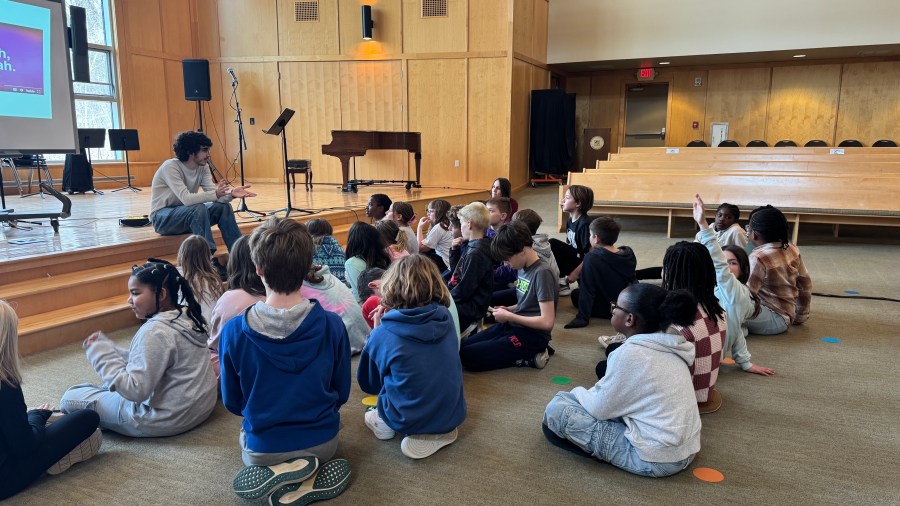
Earlier this month, Braeden and his partner Grace visited the Wilmington Friends Lower School to speak about public service with a group of younger kids.

Nearly twelve years ago, Braeden came up with the idea for 3B Brae’s Brown Bags. He saw a problem as a nine-year-old and wanted to help fix it. People were hungry, and he had the privilege of never experiencing hunger in that way. So, how would a nine-year-old fix that type of problem? Easy, he would feed them, and so he has, but 3B has become so much more than brown bags of healthy food.

One of the aspects of 3B that Braeden loves the most is visiting schools and talking with students about their own ideas for solving social justice issues, or even environmental issues. Kids don’t think about the barriers, they don’t think about all the reasons not to do something. Kids dive in head and feet first and they pour their hearts into being helpers.

The children at Wilmington Friends were so excited to hear from Braeden. He talked about the importance of public service, the issue of food insecurity, and homelessness. Then he explained 3B Brae’s Brown Bags and how anyone can do it because it’s simple but meaningful. One brown bag, one small act of kindness, can ripple beyond the patron receiving the food.

Braeden Mannering speaking into a microphone on a stage backlit by a bright windows

The day after Brae’s visit, teacher Ms. Monika Simms reached out to share that she had read “Just One Pebble: One Boy’s Quest to End Hunger” to her kindergarten class. “I read the story to the class, and they all talked about things that they might do to help others in need. We also talked about how lucky they all are. So, thank you for bringing this to the world.”

We love receiving feedback like this, it means so much! And we are so happy to know there are schools, like Wilmington Friends, bringing social justice and public service curriculum to their students at a young age.

If you’re inspired by the work of 3B Brae’s Brown Bags and want to make a difference in your community, we’d love to hear from you! Whether you’re interested in organizing a bag-packing event at your school, inviting Braeden to speak at your organization, or exploring other ways to get involved, we’re here to help. Simply fill out our contact form on the website, and a member of our team will reach out to discuss how we can work together. Your support can help us expand our impact and bring hope to those in need. 

school lunch balanced meal with sandwich, milk, fruit, nuts and carrots

USDA funding cuts to food programs

We are so incredibly grateful for a successful DoMore24DE campaign, which raised $345! Thank you to all who donated and shared information about our fundraising goals. We know record-breaking numbers were seen across the state, and many nonprofits received a generous outpouring of support.

During a time of political unrest, the support and generosity of individual donors and grassroots initiatives mean more than we could ever explain. With that said, we want to share information we know about the USDA funding cuts that will impact schools, food banks, local farms and more.

What we know about USDA cuts

The U.S. Department of Agriculture (USDA) has recently cut over $1 billion in funding for two programs: the Local Food for Schools Cooperative Agreement Program and the Local Food Purchase Assistance Cooperative Agreement Program. These programs were designed to help schools and food banks purchase food from local farms and ranchers. The decision to end these programs is part of a broader effort to reduce federal spending, although it has been noted that these programs were expanded under the Biden administration to support local food systems and were established using executive authority. Unfortunately, the current administration has different views.

Impact on Title I Schools

Title I schools, which have high populations of low-income students, will likely face significant challenges due to these funding cuts. These schools rely heavily on federal support to provide essential services, including nutrition programs. The elimination of funding for local food purchases could exacerbate difficulties in providing nutritious meals, as schools may struggle to maintain current food quality and variety without the financial assistance to buy from local suppliers.

Importance of School Meals for Low-Income Students

School meals, including breakfast and lunch, are crucial for the academic success and well-being of low-income students. Research indicates that students who eat breakfast at school perform better academically and have fewer behavioral issues compared to those who skip breakfast5. Similarly, participation in school lunch programs improves academic performance and reduces food insecurity, which is particularly important for students from low-income households.

Benefits of School Meals:

  • Improved Academic Performance: Students who eat breakfast and lunch at school tend to perform better on standardized tests and have better attendance records.
  • Reduced Food Insecurity: School meals help ensure that children receive the nutrition they need, reducing the likelihood of food insecurity and related health issues.
  • Better Dietary Intake: School meals provide essential nutrients and promote healthier eating habits compared to meals brought from home.

The cliffnotes

USDA’s decision to cut funding for local food programs will likely have a detrimental impact on Title I schools, which serve a high proportion of low-income students. These students rely on school meals as a vital source of nutrition, and any reduction in meal quality or availability could have significant consequences for their academic success and overall well-being.

What can we do?

To address the issue of reduced funding for school meal programs and help mitigate its impact, consider the following steps and contacts:

Steps to Take

  1. Contact Your Representatives: Reach out to your local and national representatives in Congress. Express your concerns about the cuts and advocate for continued support for school meal programs. You can find contact information for your representatives on the official U.S. House of Representatives and Senate websites.
  2. Join Advocacy Groups: Organizations like the School Nutrition Association (SNA) are actively advocating against these cuts. Participating in their efforts or supporting similar groups can amplify your voice. The SNA is organizing nationwide advocacy, including letters and calls to Congress.
  3. Engage in Public Awareness: Raise awareness about the importance of school meals through social media, local newspapers, and community events. Highlighting the benefits of these programs can build public support.
Do More 24 Delaware Delaware's Giving Day

Join 3B Brae’s Brown Bags for DoMore24 and Help Us Make a Difference!

At 3B Brae’s Brown Bags, our mission is simple but powerful: we provide healthy food to those in need while inspiring young people to take action in their communities. Through our work, we not only distribute nutritious snack bags to vulnerable populations but also speak with youth about the importance of public service, kindness, and making a positive impact.

Next week, we have an exciting opportunity to amplify our impact—and we need your help!

What is DoMore24?

DoMore24 Delaware is a 24-hour day of giving, bringing together nonprofits, donors, and community members to create real change. From 6 p.m. on March 6th to 6 p.m. on March 7th, we’re asking for your support to help us continue providing healthy food and inspiring youth to give back.

Do More 24 Delaware

How Can You Help?

🌟 Share the Mission – Spread the word by sharing our campaign posts and adding a personal message about why you support us. Your voice matters!

📣 Tag a Friend – Know someone passionate about fighting food insecurity? Tag them and invite them to join our movement.

📸 Post a Story – Share a story on your social media using #DoMore24DE and tag us @braesbrownbags to raise awareness.

💙 Donate if You Can – Every dollar makes a difference! Plus, participating nonprofits (like us!) have the chance to earn bonus prizes from sponsors, helping us raise even more funds to serve our community.

➡️ Click here to donate to our DoMore24 campaign starting at 6 p.m. on March 6

By supporting 3B Brae’s Brown Bags, you’re not just giving food—you’re giving hope, kindness, and inspiration to those who need it most. Let’s come together and Do More for Delaware!

Thank you for being a part of our journey. Let’s make these 24 hours count!

#DoMore24DE #BraesBrownBags #HealthyFoodForAll #YouthLeadership

Braeden answering student questions at Main Street School

Celebrating World Read Aloud Day at Main Street School

This week, Main Street School in Irvington, New York, took part in World Read Aloud Day in a truly inspiring way. Students and staff came together to read “Just One Pebble: One Boy’s Quest to End Hunger,” a book that tells the story of our very own Braeden Mannering.

World Read Aloud Day: Sharing Stories, Changing Lives

World Read Aloud Day, celebrated on February 5th, 2025, marks its 15th anniversary this year. This global event encourages people of all ages to read aloud and share stories, highlighting the importance of literacy and the power of storytelling. Schools, libraries, and communities worldwide participate in this day to promote reading and inspire a love for books.

Braeden talking with a group of 300 students at Main Street School in Irvington, NY

Main Street School devoted a full week to “World Read Aloud Day” and ended with Braeden Mannering’s inspiring assembly on Friday morning.

From Pages to Person

After reading Braeden’s story, the students of Main Street School had an incredible opportunity. Braeden Mannering himself visited the school to speak to nearly 300 students about his journey and the importance of public service.

A Young Changemaker’s Story

Braeden with a group of students

If you are new to our website or new to Brae’s Brown Bags, you may not know how it all began. Braeden’s story is truly remarkable. At 9 years old, he founded Brae’s Brown Bags, a non-profit organization providing healthy snacks to homeless and low-income individuals. His initiative began after a visit to the White House, where First Lady Michelle Obama challenged him to “pay it forward.”

Inspiring the Next Generation of Changemakers

During his visit, Braeden shared his experiences with the students, explaining how he started his non-profit and the impact it has made. His presentation not only introduced the students to Brae’s Brown Bags but also encouraged them to think about how they can make a difference in their own communities. He was able to spend time answering many of the 4th and 5th graders’ questions.

Main Street School has a curriculum that encourages its students to be makers of change. They learn how to get involved in public service and how important it is to be active community members. Braeden was very much inspired by the many students he spoke to and by the teachers and leadership who participated in planning the event and being there to make it such a success.

Braeden Mannering and Sara Reilly
Sarah Reilly and Braeden Mannering

Thank you for the invitation

We want to thank Principal Joyce Chapnick and Ms. Sarah Reilly, the Library Media Specialist, for organizing this inspiring event along with Braeden. It’s so cool that you brought the book to life and gave students a chance to meet a real-life hero who was their own age when he started his non-profit.

Spreading the Message Further

Braeden’s visit to Main Street School is just the beginning. Other schools interested in having Braeden speak to their students are encouraged to reach out. His youth activism and community service story will surely inspire students across the country. His next stop will be Wilmington Friends in March.

World Read Aloud Day reminds us of the power of stories to inspire, educate, and motivate. Braeden Mannering’s visit to Main Street School shows how one person’s story can come alive and inspire a whole new generation of readers and changemakers.