

When temperatures drop below freezing, a lot of us think about grabbing an extra blanket or turning up the heat. For people who are living outside or who are not stably housed, freezing weather can be life-threatening.
That is why 3B Brae’s Brown Bags partners with Code Purple emergency sanctuaries and warming stations, providing healthy “to go” bags that guests can take with them when they leave. We do this all year long, but we know that on nights with bitter wind and icy sidewalks, community care really matters.
This post is part story, part safety guide. We want to:
- Explain how our to-go bags support people using warming stations and shelters
- Share simple steps to keep volunteers and guests safe while packing and handing out bags
- Highlight Delaware 2-1-1 as a key resource for anyone who needs help finding shelter or services
- Go over the signs of hypothermia that many people do not realize are serious
What is a 3B “to go” bag?
Our to-go bags are meant to be simple, respectful, and useful. Depending on donations and season, a bag might include things like:
- Healthy, shelf-stable snacks (granola bars, low-sodium crackers, nut or seed packs, fruit cups with pop tops, fruit snacks, popcorn, soft breakfast bars)
- A bottle of water or a low-sugar drink
- Resource information, such as Delaware 2-1-1 and local support services
- Seasonal extras when possible, like hand warmers, a pair of socks, or lip balm
Emergency sanctuaries and warming stations often have a limited window of time that they are open. Guests may have to leave early in the morning and walk or wait outside again. A grab-and-go bag is one small way to say, “We see you, and we care about what happens when you step back out into the cold.”
Safety first when packing and handing out bags
We want kindness to be paired with good safety practices. That protects the people we serve and the volunteers who help. Here are some simple guidelines you can use when packing or distributing 3B-style bags with us or on your own.
Food safety
- Choose shelf-stable foods
Pick items that do not require refrigeration and that are safe at room temperature - Label anything with common allergens
If your bags include peanuts, tree nuts, dairy, or gluten, label the outside of the bag or the item. A simple “Contains peanuts” can help someone keep themselves safe.
Health and hygiene for volunteers
- Wash or sanitize hands before packing
If you are packing a lot of bags at once, set up a handwashing station or keep hand sanitizer nearby and take quick breaks to use it. - Follow site rules
Each sanctuary, warming station, or shelter will have its own safety rules. Please follow the directions of staff on site. They know their space and their guests.
Emotional and physical safety at distribution
- Respect personal space
Some guests have experienced trauma. Offer a bag with a smile, but do not insist if someone says “No, thank you.” - No photos without permission
Being in a hard moment should not mean losing your privacy. Never take photos of guests without clear consent, and follow the site’s photo policy. - Use a buddy system
Volunteers should work in pairs or groups, especially in the dark or in bad weather. Check in with each other and with staff if something feels off.
Kindness is powerful, and it is even more powerful when it is also careful and thoughtful.
Delaware 2-1-1: A lifeline for shelter and more
One of the best tools we have in Delaware is Delaware 2-1-1.
What is Delaware 2-1-1?
Delaware 2-1-1 is a free, confidential helpline that connects people to health and human services across the state. It can help with things like food assistance, emergency and transitional shelter, medical care, mental health support, utility help, clothing, and more.
How to reach Delaware 2-1-1:
- Dial 2-1-1 from any phone in Delaware
- Text your zip code to 898211
- Use live chat at delaware211.org
Delaware 2-1-1 is available 24/7 and offers multilingual support.
When Code Purple or other cold-weather alerts are in effect, 2-1-1 can help people find warming centers, emergency shelters, and related resources. State announcements often tell residents to call Delaware 2-1-1 to be connected with Code Purple locations and extra cold-weather beds.
If you are volunteering and someone asks, “Where can I go tonight?” or “Who can help me with rent or food?”, it is completely okay to say:
“You can call 2-1-1 or text your zip code to 898211. They can help you find shelter and other resources.”
You do not need to know every answer. You just need to know where to point people.
Hypothermia 101: Signs you should not ignore
Cold is not just uncomfortable. It can be dangerous. Hypothermia happens when a person’s core body temperature drops below 95°F, and it is a medical emergency.
The Centers for Disease Control and Prevention highlight these warning signs in adults:
- Shivering
- Feeling very tired or exhausted
- Confusion or acting “not quite like themselves”
- Fumbling hands or trouble doing simple tasks
- Memory loss
- Slurred speech
- Drowsiness or trouble staying awake
For babies, the signs look different. Watch for:
- Bright red, cold skin
- Very low energy or being unusually quiet and still
If you see these signs in yourself or someone else:
- Call 911 right away if the person is confused, not responding, or very drowsy.
- Move the person to a warm, dry place if you can do so safely.
- Remove any wet clothing and cover with blankets, coats, or other warm layers.
- Offer warm drinks if the person is awake and can swallow, but do not give alcohol or very hot liquids.
Do not rub arms or legs hard to “warm them up.” That can sometimes cause more harm in serious cold-related injuries.
Frostbite is a concern, too.
People who have hypothermia often have frostbite too. Frostbite is damage to the skin and tissue from freezing temperatures. The CDC and other health agencies note symptoms like:
- Numbness or tingling in fingers, toes, nose, ears, or cheeks
- Skin that looks pale, grayish, or waxy
- Skin that feels unusually firm or hard
If you suspect frostbite, follow medical advice from 911 or a health professional. In general, get the person to a warm place and, if possible, avoid walking on frostbitten feet or toes.
How you can help
Here are a few simple ways to support your neighbors during extreme cold:
- Volunteer to help pack to-go bags or deliver them to partner sites
- Collect items like shelf-stable snacks, bottled water, new socks, and hand warmers
- Learn Delaware 2-1-1 by heart so you can share it when someone needs help
- Teach kids and students about food insecurity, empathy, and cold-weather safety in age-appropriate ways
- Share information about hypothermia and warming centers on your social media or with your community group
At 3B Brae’s Brown Bags, we believe small acts of kindness can stack up into real change. A paper bag with snacks, a warm word at the door of a sanctuary, a phone number shared at the right time, all of that can help someone make it through a very cold night.
Thank you for being part of a community that shows up, especially when the temperature drops and the need rises.
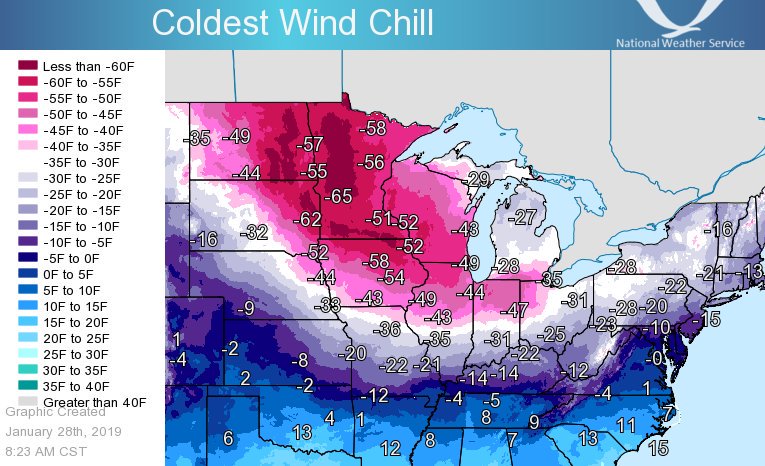
 What are they calling it? An arctic vortex? I don’t know what it is, I’m not a meteorologist, but it’s cold, it’s really cold. And it’s not just here in Delaware. Birmingham, Alabama got snow yesterday! The wind chill is -65 degrees in parts of the
  The emergency sanctuary locations are not homeless shelters. So when they open their doors, they are equipped with volunteers offer. The consistently awesome thing about Delawareans is that they are givers. I am humbled each and every day when I drop off 3B bags and see all of the kind people helping others. I am so grateful.